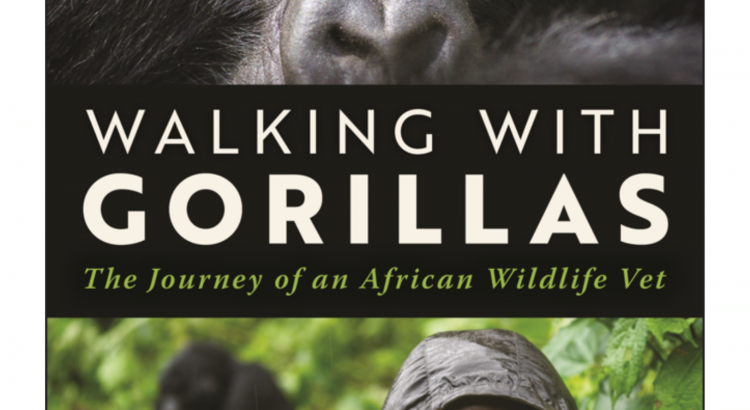
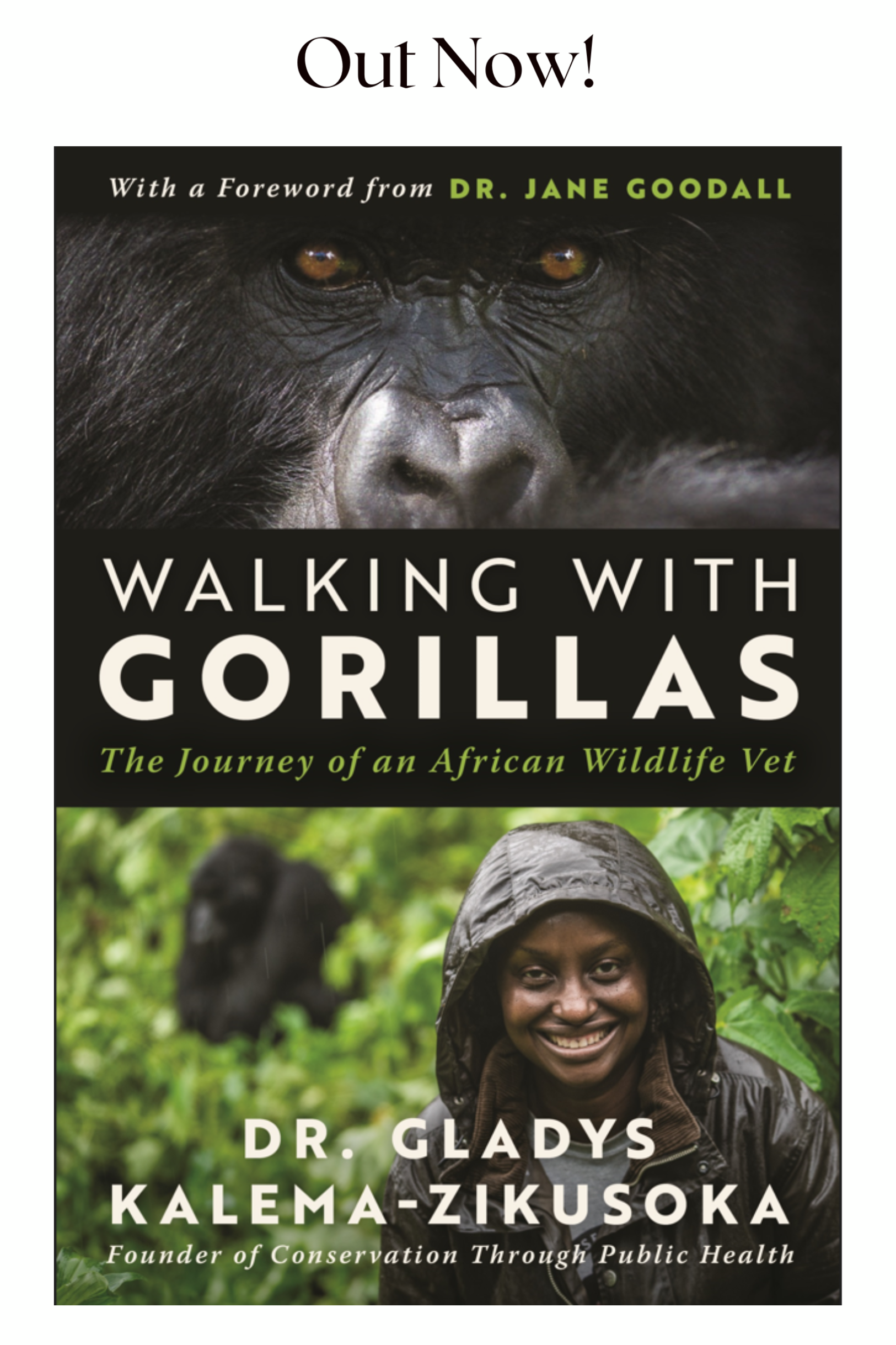
Walking With Gorillas is OUT NOW!

I am excited to let you know that my memoir “Walking With Gorillas” is now available in bookstores and online in USA. I hope you enjoy reading it and love it as much as I do.

The Hardcover and eBook is available at selected stores in USA


Upcoming Events

USA

April 20th: SoHo, NYC
Wings WorldQuest | 6:00 pm

April 25th: San Francisco, CA
The Internet Archive | 6:00 pm

May 1st: New York, NY
The Explorers Club | 6:00 pm

May 4th: Washington, DC
The Smithsonian Zoo | 1:00 pm

May 5th: Washington, DC
The Wilson Center | 11:00 am
Georgetown University Book Store | 3:00 pm

May 8th: Boston, MA
Tufts University

May 9th: Virtual Event | 2:00 pm
Population Connection Book Club

UK

May 16th, London
Uganda High Commission | 6:00 pm

May 25th: Edinburgh, Scotland
Waterstones | 6:00 pm

Uganda, Kenya, South Africa

June 2023: dates to be confirmed


Book Review
No obstacle too tall for this Ugandan wildlife veterinarian

Read More » 


Media

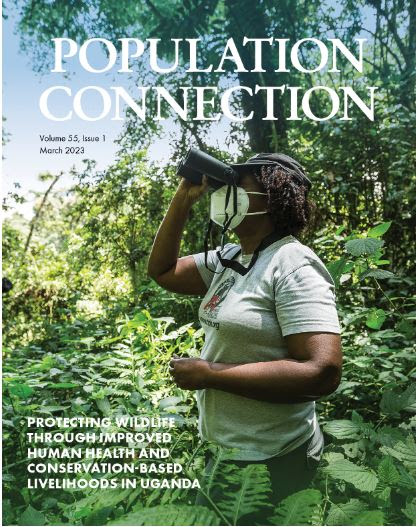
Population Connection Magazine

This latest magazine features a review on my book and the critical work in conserving the endangered mountain gorillas.

Read more »

Boots on the Ground Podcast

I share a lot about my book “Walking With Gorillas”  that is out today.

Listen here »

Success Made to Last Podcast

Listen to this engaging podcast where Rick Tocquigny interviews me about my memoir

Listen here »

Desert Island Discs on Capital FM

Listen to my life journey and more on this show hosted by Flavia Tumusiime Kabuura.

Listen here »

  Dr. Gladys Kalema-Zikusoka on Walking With Gorillas
Exclusive Interview

Read here »


Thank you so much for all the great support. I look forward to your reviews and hope that you enjoy reading the book!


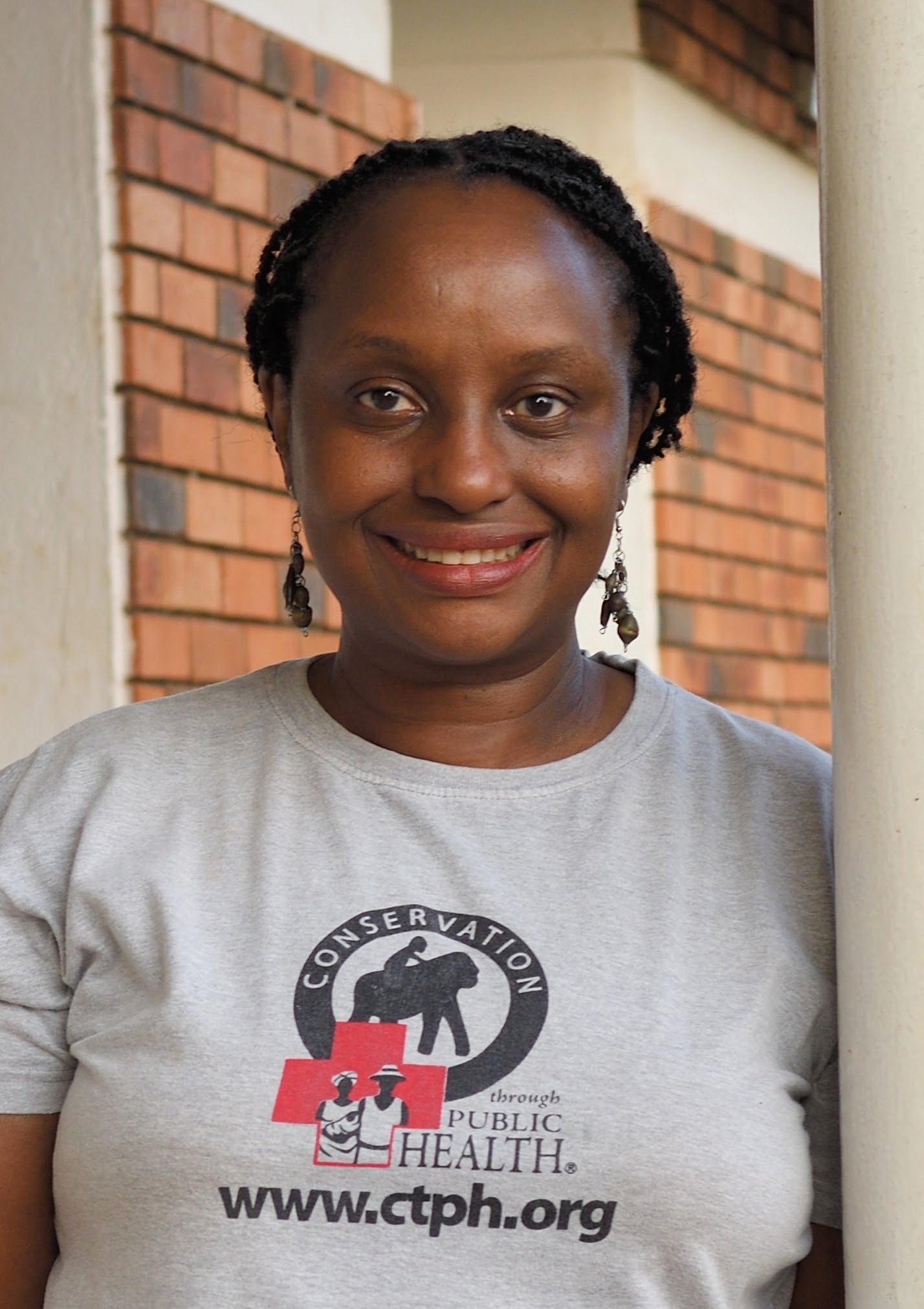
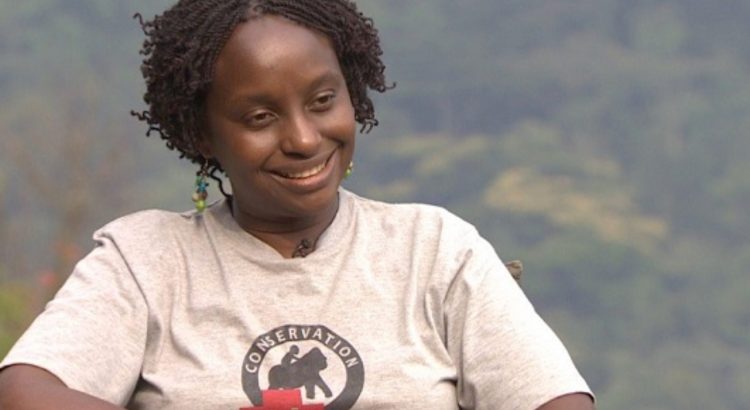
Dr. Gladys Kalema-Zikusoka
Founder & CEO, Conservation Through Public Health

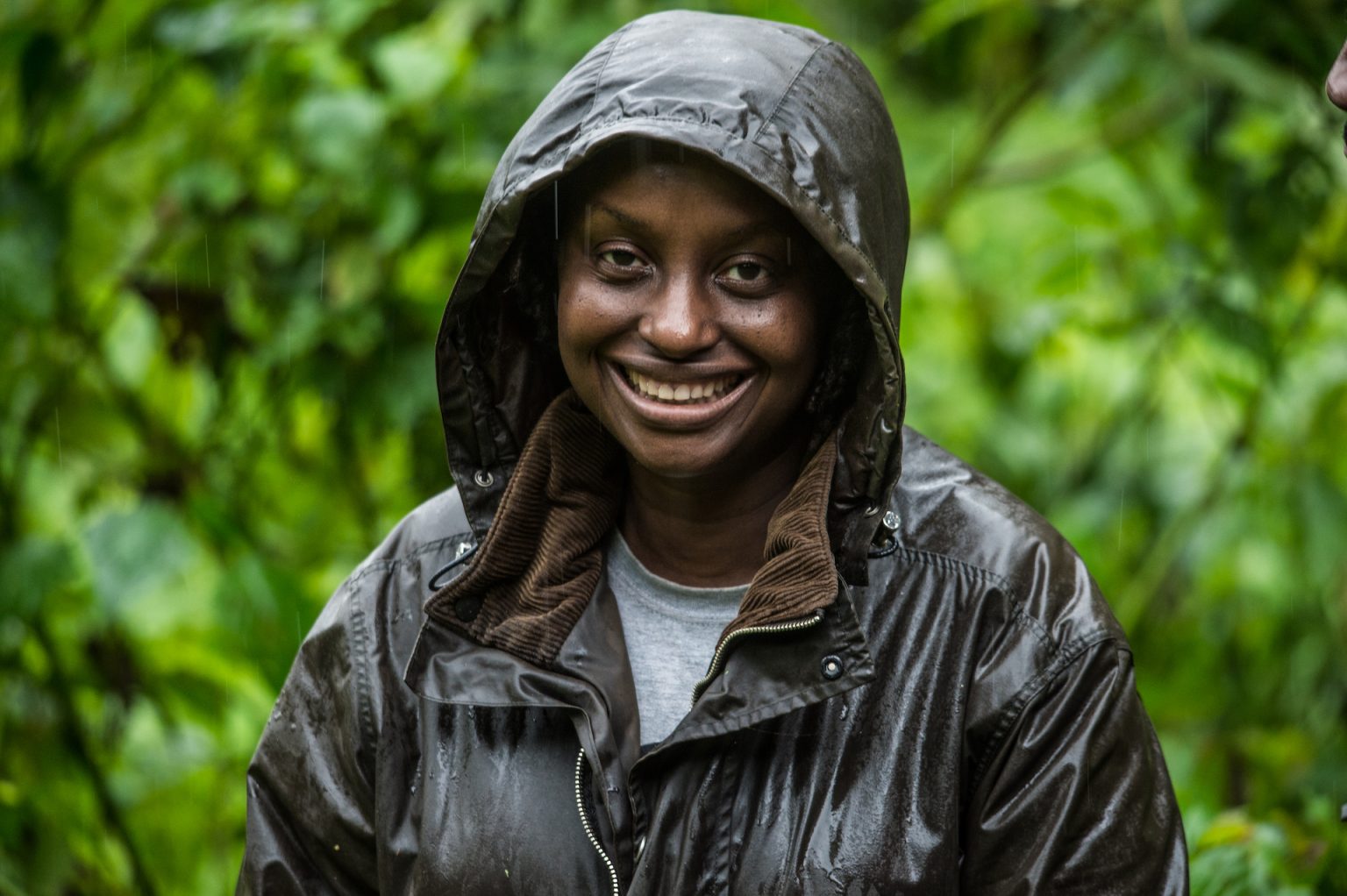
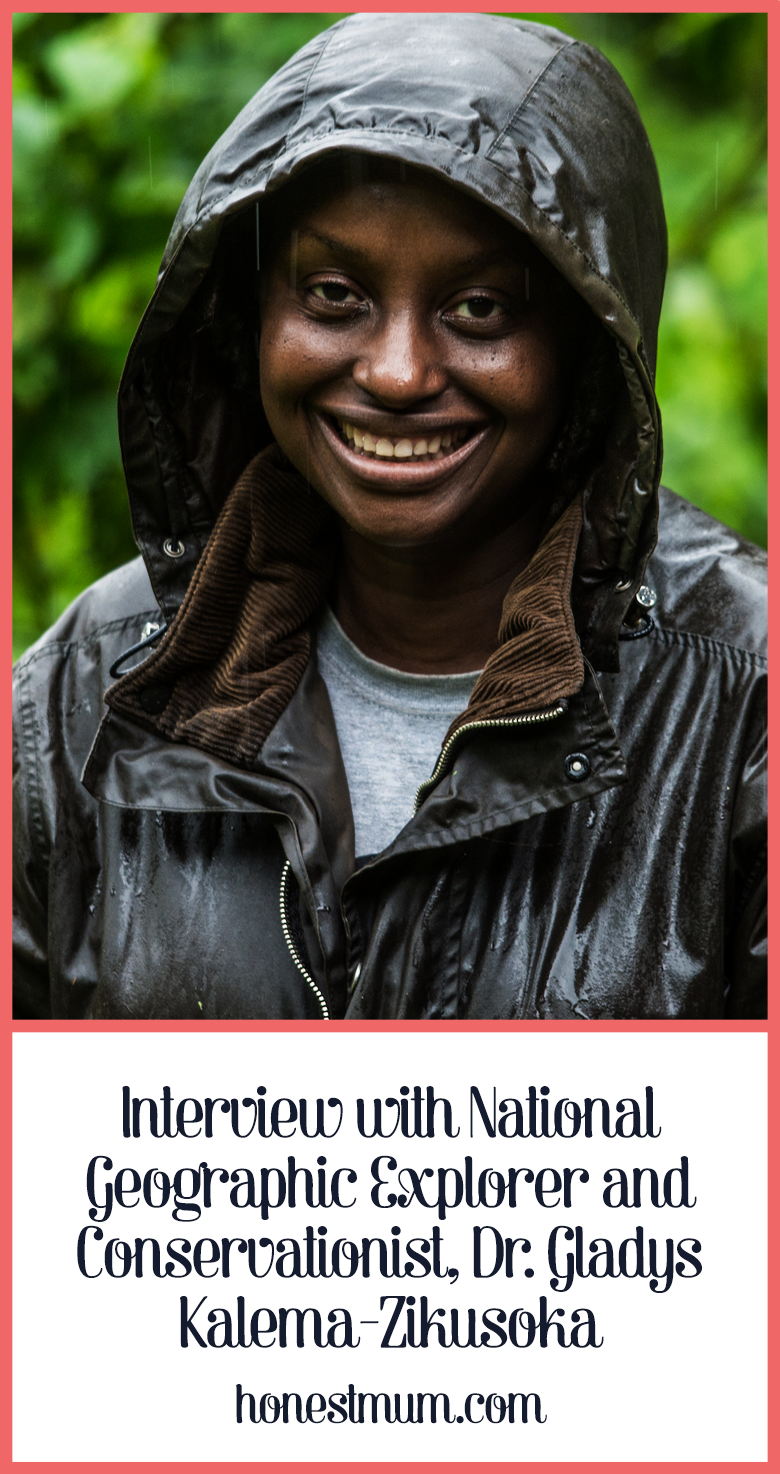
Interview with National Geographic Explorer and Conservationist, Dr. Gladys Kalema-Zikusoka

Dr. Gladys Kalema-Zikusoka is a National Geographic Explorer and multi-award-winning conservationist who has been a life-long champion of wildlife. As an African woman growing up in a male-dominated society, she found the determination and courage to overcome the many obstacles she faced due to her gender to become Uganda’s first wildlife vet.

Not one to rest on her laurels, after leaving the Ugandan Wildlife Authority, she followed her heart and founded her NGO, Conservation Through Public Health, and the social enterprise, Gorilla Conservation Coffee to preserve the endangered mountain gorillas, create health and prosperity for the local human community and be a caretaker for our planet.


Describe a typical day for you?

I don’t have a typical day. As founder and CEO of a small but growing 17-year-old grassroots NGO, Conservation Through Public Health (CTPH), based in Uganda, that works to ensure that the mountain gorillas are healthy and their habitats are secure, I have a long to-do list and wake up each day to prioritize it. I also wear several hats as a leader where I sit on a number of boards including, The Gorilla Organization based in the UK, and committees including the Women for Environment – an Africa leadership council advocating for greater female leadership in conservation.

My husband, Lawrence Zikusoka is a co-founder of our two main initiatives, Conservation Through Public Health (CTPH) and our social enterprise, Gorilla Conservation Coffee.  We often start the day by comparing notes on what we plan to do.

The best part of my job is spending time at our field office in Bwindi Impenetrable National Park, home to just under half of the world’s endangered mountain gorillas. A typical day involves getting up earlier than usual to check on the gorillas, and other days involve hosting and attending meetings with field staff and community volunteers including Village Health Teams, Gorilla Guardians and Reformed Poachers who encourage their community to protect the gorillas, and who we support along with the rest of the local community with improved healthcare and livelihoods so that they can coexist with the gorillas and other wildlife. I am also a mother to two energetic sons, aged 16 and 11 who travel with me to the national parks as often as possible, where we spend amazing quality time together.

When I am at CTPH headquarters in Entebbe, I often spend my day responding to emails about day-to-day operations and new enquires, thanking our donors and supporters through email and social media, writing or reviewing grants, reviewing and sending reports to donors, the government and other stakeholders on the work we have done, reviewing and designing new projects and mentoring and inspiring my team in their work.

Prior to COVID-19, I spent 25% of my time travelling around the world presenting and raising funds for our work. Lately, I have been invited to sit on a number of virtual meetings, giving several presentations because our One Health approach is helping to reduce the impact of the COVID-19 pandemic on endangered mountain gorillas at Bwindi Impenetrable National Park, as well as other great apes in Africa via advocating for responsible tourism.

One highlight has been finding our first UK distributor for our Gorilla Conservation Coffee, Moneyrow Beans who have made it possible for us to continue to support local coffee farmers in the absence of an income from gorilla trekking tourists during the pandemic. This has helped to reduce their need to enter the gorilla habitat for food and firewood at a time when bushmeat poaching has greatly increased all over Africa. We have also had to begin a new program of providing emergency food relief for vulnerable communities around the park, which became more urgent when one of the gorillas was killed by a hungry and desperate poacher.


What do you feel are your greatest achievements?

One of my greatest achievements has been establishing an award-winning NGO that is positively impacting some of the poorest people sharing a habitat with gorillas and other wildlife, and contributing to the growth of the mountain gorilla population from 600 when I first started working with them, to 1063.

One of our first awards was the 2009 Whitley Gold Award for outstanding leadership in grassroots nature conservation which was presented to me by HRH Princess Anne. I was also greatly honored to become a finalist for the Tusk Award for Conservation in Africa in 2019, where we were hosted by the Duke and Duchess of Cambridge at Kensington Palace which caused a lot excitement among friends, colleagues and family in Uganda. This year, our charity Conservation Through Public Health won the prestigious 2020 Saint Andrews Prize for the Environment, an achievement we are very proud of.

Our social enterprise, Gorilla Conservation Coffee, also won the 2017 United Nations Environment Programme (UNEP) Switch Africa Green SEED Award for eco-inclusive enterprises, and second prize at the 2019 Italian StartUpAfrica Road Trip Award.

In August, I was honored to receive the 2020 Aldo Leopold Award from the American Society of Mammologists, and truly humbled to be the first African to receive it and the second woman.


What’s in your handbag/satchel?

Lip balm, fragrance and hand cream from the Body Shop where I have been shopping since 1990. I was drawn to this business because they do not test on animals and now also support women and sustainable businesses globally. I also carry a phone, sunglasses, contact lens solution and glasses (I am very short-sighted), a notebook, pens of different colors and at least one reading book. Other essential items since the COVID-19 pandemic began, include hand sanitizer and a range of cloth masks made by local women from a local enterprise, Ride for A Woman enabling them to earn an income to support their families sharing a habitat with the gorillas in the absence of tourism.


What are your ambitions in life?

I would like to expand our impact to other countries in Africa where gorillas are found and other parts of Uganda where gorillas are not found, working with local stakeholders. Something else I feel strongly about is to help increase the number of women leaders in conservation through my role on the leadership council of Women for the EnvironmentAfrica, and leaders of color in conservation in my role as the Vice President of the African Primatological Society that is building African leadership in primate research and conservation.

I am currently writing a book about my experiences in conservation and leadership journey with gorillas and other wildlife over the past 30 years, which I hope to get published next year. It’s something I have been wanting to do for many years and excited that it is finally happening. I have found a great literary agent, Naz Ahsun, who is very supportive.


What do you wish you’d known at the start of your career you now know?

It is important to choose a career based on something you truly care about because when the going gets tough, what keeps you going is your passion and purpose. I have found that you will never be able to please everyone all of the time, especially if you want to make a difference and change the world. When you work alone you go fast, when you work with others you go far; I have learnt the importance of teamwork, having a motivated team, and building partnerships with external stakeholders. As a founder of an NGO and social enterprise, I have also learnt to place values ahead of talent when hiring people. On a personal note, I have learnt how important it is to be an authentic leader, and strive to develop a healthy work/life balance.


Where do you see yourself in 5 years’ time?

I see myself stepping down from being the CEO of our NGO and social enterprise and devoting more of my time on the Board, spending more time growing as a leader and mentoring my team, and others in my sector. I also see myself spending more time advocating for our approach to a wider audience in Africa and the rest of the world. I am humbled to be a finalist of the 2020 Tällberg Eliasson Global Leadership Prize because of our One Health approach to Conservation.


What advice would you give a budding Vet?

Veterinary training enables you to impact many sectors if you would like to take up these amazing opportunities. It has been a truly interesting and rewarding journey for me to be able to make a difference in conservation, public health, tourism, and agriculture sectors through my training as a veterinarian.


What advice would you give to a new parent?

Enjoy parenthood, don’t try to be a perfect parent, spend as much time as possible with your children because they change so fast during the first few years and two decades of their life, and you don’t want to miss many of those moments in helping to shape their values. My eldest son recognised his first elephant at the age of two, in the national park, not in a storybook. Let them follow their passion and be who they want to be and encourage them to be authentic, build their leadership qualities, and fulfill their potential in life. I am truly indebted to my mother, who on top of being a hands-on mother and grandmother, encouraged me to follow my dream to pursue a career with animals because she realised that from an early age, I hated to see them suffering, and even when being a Vet in Uganda was not a profession that paid well, and I am truly indebted to her for that.


Finally, happiness is…

Being true to yourself and leaving the world better than you found it….


www.ctph.org

www.gccoffee.org

www.moneyrowbeans.com

www.pangols.com

Meet Gladys Zikusoka, a wildlife veterinarian using coffee to conserve gorillas

By Nicholas Asingwire, Sautitech on 27 July 2018

In 2003, Dr. Gladys Kalema Zikusoka started CTPH or Conservation Through Public Health.  She had 8 years ago graduated from the Royal Veterinary College, London with a Bachelor of Veterinary Medicine, scoring a job at Ugandan Wildlife Service, now the Uganda Wildlife Authority (UWA), as Uganda’s first wildlife veterinary officer.

With half a decade of experience in dealing with wildlife, Dr. Kalema-Kizusoka had learnt that animals, especially gorillas which share 98 percent of DNA with human beings, were increasingly getting exposed to danger, having gone through two traumatic periods of scabies outbreak: in 1996 and between 2001 and 2002. Conservation Through Public Health was started to offset such tragedies.

Dr. Kalema-Zikusoka had also spearheaded the first wildlife translocation to restock Uganda’s national parks following years of poaching during Uganda’s civil wars. And in that same year of starting CTPH, she obtained a Master of Veterinary Medicine from North Carolina State University after conducting research which demonstrated the high risk of tuberculosis (TB) transmission between people and mountain gorillas.

At CTPH, Dr. Zikusoka and her team of 15 continue to promote gorilla conservation by applying a number of methods aiming at facilitating the co-existence of human beings, wildlife, and livestock in and around protected areas in Africa.

After two years of existence, CTPH built a Gorilla Research Clinic in Buhoma, Bwindi Impenetrable National Park’s main tourist site, and it has since been expanded to a larger Gorilla Health and Community Conservation Center. At this facility, the CTPH website shows, tourists are given a behind the scenes tour of gorilla conservation. CTPH officials do this by explaining “our programs including gorilla health monitoring, community health, and livelihoods.”

A sip for gorilla survival

Gazetted in 1991, Bwindi Impenetrable National Park, the home to almost half the world’s population of mountain gorillas, is surrounded by a community of coffee growers because of being on a high altitude, covered with fertile soils. But after visiting the area several times, Dr. Gladys Kalema-Zikusoka discovered that most of these farmers were not getting a fair price for their harvests.

From this, she realized, the farmers “were struggling hard to survive, forcing them to use the national park to meet their basic family needs for food and fuelwood.”

Something had to be done. So, in 2015, Gorilla conservation coffee, or GCCoffee, was started. The resources to put the project together were obtained from CTPH and World-Wide Fund (WWF) Switzerland, the largest environmental and conservation organization in Switzerland. Organized as a charitable foundation, WWF Switzerland is part of the global WWF network, whose influence extends to around 1,300 conservation projects in over 100 countries around the world, according  to Optimizely.

GCCoffee is a social enterprise and it kicked off with seventy-five coffee farmers, who only grow arabica coffee. The number has since grown to eighty-five, prompting the formation of a group to unite them called Bwindi Coffee Growers Cooperative.

To be part of the cooperative, Dr. Kalema-Zikusoka says, a farmer must have at least 2 acres of  arabica coffee. This is inspired by the fact that they want to only to take on farmers who are ready to put in the work and take coffee farming seriously.

Some of the farmers like Vincent Butamanya, 63, who is the vice chairperson of the Bwindi Coffee Growers Cooperative has a farm that sits on 30 acres of land with about 16,000 Arabica trees of below 20 years. GCCoffee says it is working closely with him to ensure that he produces “at least 16 metric tons of coffee in the coming seasons.”

The social enterprise has a plan of coordinating at least twenty of the farmers to have their farms turned into models so that the rest can emulate them. So far, according to Dr. Kalema-Zikusoka, one of the farmers has been given a loan to reinforce his plantation.

Being the biggest buyer of the coffee produced by these farmers, GCCoffee ensures that farmers are walked through the best farming practices such that they have good quality coffee. Most of the coffee is bought in cherry form, according to Dr. Kalema-Zikusoka, but for the farmers who are able to process it further, they are allowed to add value to it for more rewards.

Only two farmers have poppers currently, but there are plans to acquire more of these, she told me. The team of GCCoffee organizes workshops and, in some cases, they move from farmer to farmer to conduct sensitization.

Gorilla Conservation Coffee currently deals with farmers growing only Arabica coffee. According to Dr. Kalema-Zikusoka, growing Arabica coffee requires more input than Robusta (which is also widely grown in the country); they knew that by dealing with Arabica coffee growers, they would be working with committed farmers.

That being said, Arabica is generally better than Robusta in many aspects, including market demand, price on the market. The only difference is that Robusta is easier to grow and it can be cultivated in different areas. The veterinarian, however, told me that Robusta will also be supported with time since some people like a mixture of both.

One sip at a time

To add value to the coffee and create a powerful brand for it, GCCoffee opened up a coffee shop where they sell the coffee. They have also partnered with multiple establishments, including hotels, airports, tourist resorts, national parks and gift shops to distribute the coffee.

Their first coffee blend has been named Arabica Kanyonyi Coffee after Kanyonyi, the former lead silverback gorilla of Mubare Gorilla Group, the first group habituated for tourism at Bwindi Impenetrable National Park, Uganda, who died in 2017. Dr. Kalema-Zikusoka told me she knew him from his young age. He was 21. The coffee can be bought by visiting various locations in  Uganda, or online when in Uganda, USA, New Zealand and Canada.
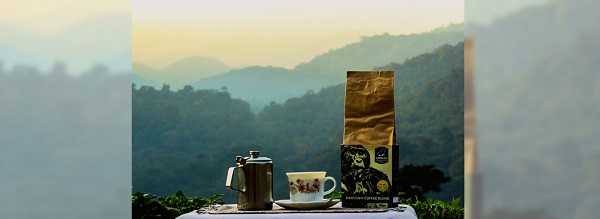
A pack of Arabica Kanyonyi Coffee (right) is seen placed besides a tea container and a cup. (Picture: GCCoffee)

A pack of Arabica Kanyonyi Coffee (right) is seen placed besides a tea container and a cup. (Picture: GCCoffee)

I met Dr. Gladys Kalema-Zikusoka recently at their first coffee shop, Gorilla Conservation Café, located at Plot 19, Portal Rd, Entebbe. On that afternoon of July 4, Deborah, a happy-go-lucky barista at the facility who declined to give me her last name, walked me through the different types of coffee they make. After the insightful lecture, we concluded that I should go for latte macchiato, a combination of milk and Espresso, or concentrated coffee, as I wait for the doctor to arrive for this interview. The coffee shop was opened in December 2017. It is positioned at an exclusive building away from the noise, making it a safe go-to place for people looking to have peace of mind or a quiet rendezvous.
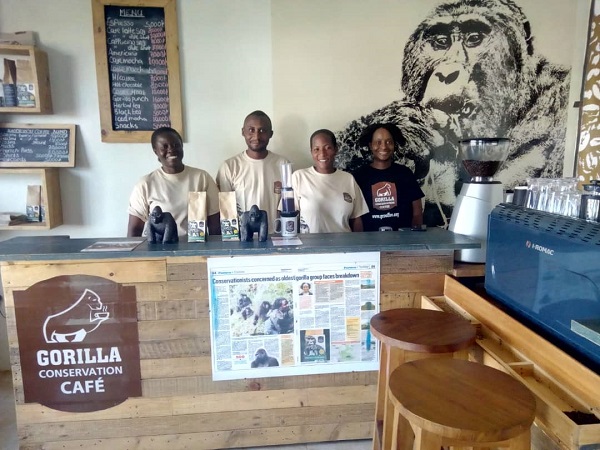
GCCoffee

The writer (second from left), Dr. Gladys Zikusoka (extreme right) and the baristas pose for a picture at Gorilla Conservation Coffee Cafe in Entebbe

Partnerships and challenges

Gorilla Conservation Coffee is currently collaborating with seven organizations, namely: WWF Switzerland, UWA, CTPH, Nucafe, Switch African Green-SEED (SAG-SEED), Uganda Coffee Development Authority (UCDA) and Bwindi Coffee Growers Cooperative.

These organizations have provided support in different ways. For instance, WWF Switzerland has offered a loan to support coffee farmers, GCCoffee has won a SAG-SEED award and the latter is helping the former in developing a business proposal to obtain funding, Nucafe processes the coffee and UCDA has trained GCCoffee staff.

Arabica Kanyonyi Coffee has so far been sold, through both crowdfunding and other online platforms in Uganda including Jumia and GCCoffee website and local outlets in Uganda and other countries including New Zealand and since June this year, USA and Canada. The choice of countries has been based on friends and tourists who liked the coffee and were willing to market it in their countries.

Just as any other starting venture, GCCoffee has encountered a series of challenges. One of the key challenges has been setting themselves apart as a different brand than what people have been seeing on the market.

“One of the first challenges was describing to people that our coffee is different from other coffees on the market,” Dr. Kalema-Zikusoka told me that afternoon, adding that there are many other coffee dealers who “label themselves as gorilla coffee” but are not necessarily into conservation. They are just using the name as a marketing tool.

“Differentiating ourselves from those other companies has been our first challenge but we are hoping that our marketing is improving,” she said. According to her, “unless someone really knows about conservation, they sometimes confuse us (coffee brands).”

Another issue they have had to deal with is “getting the farmers to produce quality coffee”, but she says they are “addressing it through showing them that we can only buy good coffee from you.”

“That’s already enough to change the way someone treats their coffee,” she said. “They know that they want to get a good price, they want to pay school fees.”

The design of the program also reflects that farmers are shareholders in the venture so they have to work hard to protect it. Farmers, Dr. Gladys told me, are informed from the word go that GCCoffee is not “a donor project or NGO, this is a business; we have a loan we’ve to pay back so we’re all in it together.”
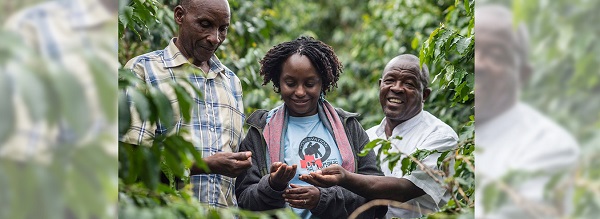
Dr. Gladys Kalema-Zikusoka with farmers (Picture: Jo-Anne McArthur)

This style of operation has helped build loyalty from farmers, preventing them from selling coffee to other dealers. Farmers also like the initiative since it has helped them to build a brand and their coffee is bought by GCCofee at a higher price than the ordinary market price.

GCCoffee is also still facing challenges of raising funds. Dr. Kalema-Zikusoka says that it’s difficult to find investors who value the conservation as much as the finance. “There are not many out there. So, yer, raising funds is difficult as well. Raising funds is not easy as well,” she confessed. They have also not got direct financial support from the Ugandan government apart from non-monetary relationships they have with government agencies dealing in tourism like Uganda Tourism Board and UWA. This kind of relationships involves allowing them to sell their products at national parks and showcasing their products at events organized by these organizations.

Dr. Kalema-Zikusoka says that efforts are underway to join Sustainable Coffee Challenge-Conservation International from which they hope to raise “our fundraising chances.” They have also previously participated in an accelerator program organized by GrowthAfrica. To ground herself in non-profit management and business, she has also obtained a certificate in the management of non-profit organizations, from Duke University and in 2016 she got a Master of Business Administration from University of Milan and Tangaza University College, in Kenya.

Her work in the past 23 years has seen her projects scoop multiple awards and get recognized by powerful organizations like the World Economic Forum, Whitley Awards, International Scientific Seed Magazine, World Summit Award, Conde Nast Traveler Magazine and Wings World Quest Women of Discovery Humanitarian Award.

She has also been featured in documentaries in National Geographic, Animal Planet, MNet and Uganda Television.
Dr Gladys’ tribute to Kanyonyi

It is with great sadness to inform you about the loss of one of my favorite gorillas in Bwindi ImpenetrableNational Park, Kanyonyi, the lead silverback of Mubare group who died on Friday night.

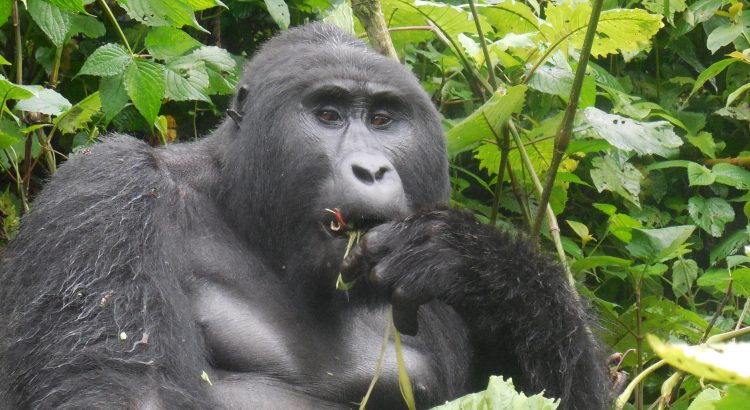
Kanyonyi first fell off a tree, but while he was recovering after treatment, a lone silverback fought with him because he wanted to take over his group. Kanyonyi in his weakened state was not able to put up a good fight, and sustained many injuries, which though they were healing, left him weaker than usual. When I last visited Kanyonyi he was eating quite well, but still limping and walking slowly, with one adult female gorilla, Karungyi and her baby keeping close by his side. He made a nest in front of us to take a comfortable morning nap, and we were able to record a brief video. I would like to thank the Uganda Wildlife Authority park staff  and Conservation Through Public Health (CTPH) team who have kept a close watch over Kanyonyi to prevent him from having more interactions with the lone silverback until he was strong enough. Fighting amongst free ranging gorillas is considered to be part of their normal behavior patterns and enables natural group succession.Conservation Through Public Health participated in the post mortem yesterday, which confirmed the major cause of his death to be an infection in the hip joint after the fall.

I have known Kanyonyi since he was a baby, when he was born 20 years ago. In 1998, I successfully operated on his older sister, then a juvenile gorilla called Kahara when she had a rectal prolapse. She was named Kahara because she liked to babysit him. Kanyonyi became the lead silverback of Mubare gorilla group in 2012, after his father, Ruhondeza died. Ruhondeza was the lead silverback of the first gorilla group to be habituated for tourism in Bwindi Impenetrable National Park. Kanyonyi was a playful young silverback who liked interacting with human visitors. Over the past five years, Kanyonyi has kept the Mubare gorilla group together and enabled it to grow through attracting many females.

When we started the Gorilla Conservation Coffee social enterprise in 2015 to support farmers living around Bwindi, we decided to name our first coffee blend after Kanyonyi who symbolizes the gorilla conservation efforts at Bwindi Impenetrable National Park since tourism began in 1993.

May his legacy continue through stories, memories and the Kanyonyi coffee blend.

SAG-SEED AWARD WINNER 2017

GCCoffee is a for-profit social enterprise aiming to improve livelihoods of coffee farmers and protect mountain gorillas in the area. GCCoffee buys coffee at a premium, processes and sells it as a branded roasted coffee, whose purchase includes a donation to Conservation Through Public Health (CTPH).

GCCoffee pays a premium price to enable marginalised small-holder coffee farmers living in remote sub-counties bordering Bwindi Impenetrable National Park to improve their lives, which keeps them from resorting to damaging the forest through activities like poaching and removing resources like wood. This in turn helps protect the gorillas and their habitat.

GCCoffee also provides training and capacity building to farmers to improve sustainable agriculture practices. GCCoffee targets coffee drinkers and tourists via shops, tourist lodges, airports and international distributors to market and sell coffee.

See details here https://www.seed.uno/awards/all/2017/gorilla-conservation-coffee.html