Gorilla Conservation Coffee Safari
By Mark Jordahl, Posted on October 2, 2017 0
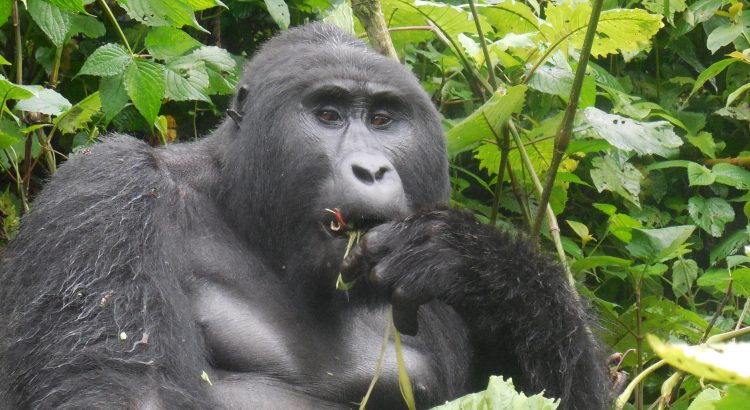
Mountain gorillas are some of our closest relatives, sharing as much as 98 percent of our human genes. This remarkable similarity is part of what makes it so profound to spend an hour with these gentle giants on one of our gorilla safaris. Unfortunately, this similarity also means that we can share diseases, and disease transmission from humans to the gorillas poses one of the greatest threats to their survival.
The realization that you can’t address the health of mountain gorillas without also addressing the health of the human communities nearby led Gladys Kalema, the first female veterinarian with the Uganda Wildlife Authority, to create a project called Conservation Through Public Health (CTPH). The team members from CTPH do direct monitoring of gorilla health, and also educate the locals on family planning, personal hygiene, reducing reliance on forest products like firewood, sustainable agricultural techniques, and ways to reduce conflict with the wild gorillas who often enter their farms looking for an easy meal.

Wildlife conservation is not a one-solution issue, and perhaps one of the most important aspects of any conservation program in Africa is helping local people find economic alternatives to extracting resources from natural areas. Any time people enter the protected areas that harbor the mountain gorillas to collect firewood, cut bamboo, or hunt for bush meat, the chance of disease transmission increases. But if those community members have no other source of income, they will do what it takes to feed their families.
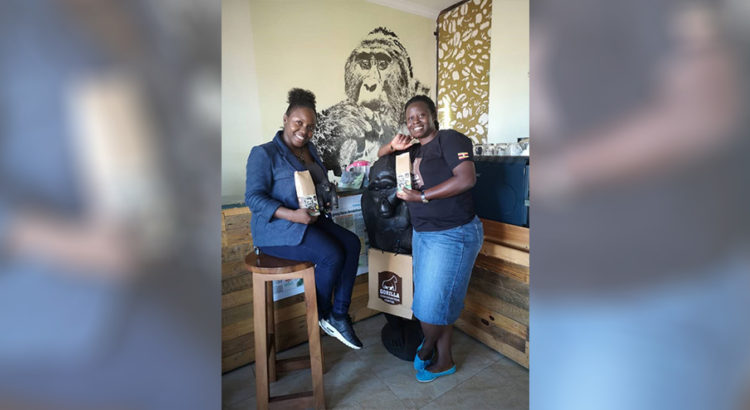
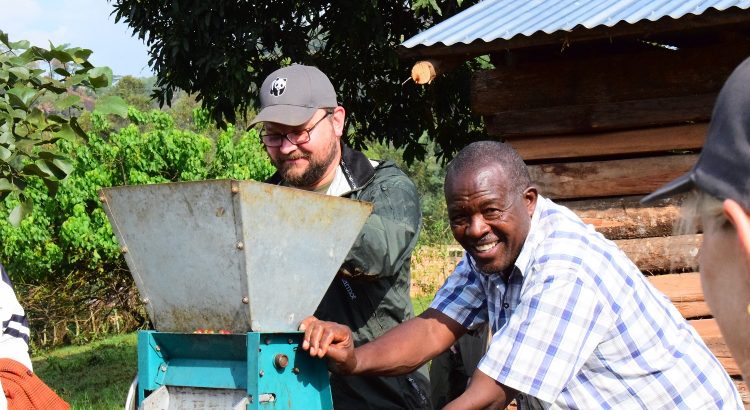
CTPH recently received funding from WWF-Switzerland to launch a coffee enterprise to benefit the Buhoma community adjacent to Bwindi Impenetrable National Park, home to nearly half of the world’s remaining mountain gorillas. In July 2017, a small group of Natural Habitat Adventures travelers were the first to have the opportunity to visit the Gorilla Conservation Coffee project on a “coffee safari.”

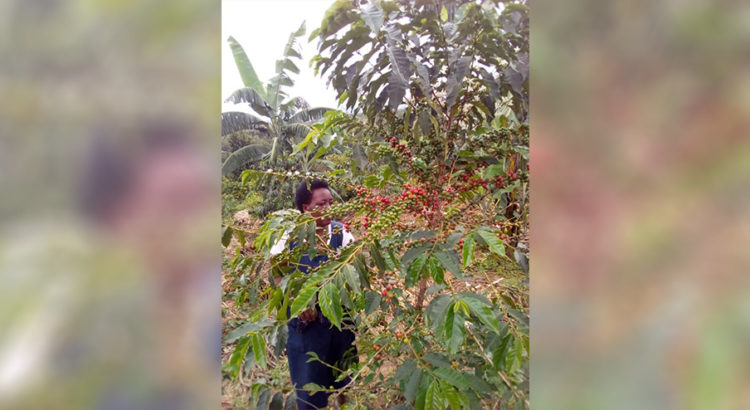
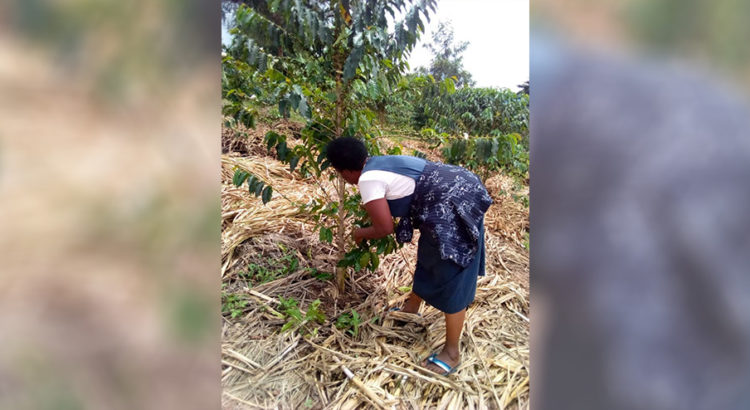
Coffee is a great crop to grow on the border of gorilla habitat because, so far, mountain gorillas have not caught on to the wonders of drinking coffee. Coffee and tea plantations can create a buffer between the forest and food crops, because the gorillas entering the plantations will turn back, thinking that there is nothing for them to feed on in the area.
The coffee farmers in Buhoma have formed a cooperative to sell fresh coffee beans at a premium to Gorilla Conservation Coffee. The project has invested in processing equipment that gets the beans to the point of being ready to roast. The beans are then sent to Kampala, the capital city of Uganda, where they are roasted and packaged for sale. The income from the coffee supports local farmers and CTPH’s work protecting critically endangered mountain gorillas.

At Natural Habitat Adventures, we are proud to partner with an organization like WWF that looks for opportunities across the globe to provide seed funding that results in long-term, sustainable solutions like this that benefit both people and wildlife. Gorilla trekking in Uganda is one of the many ways that you can support innovative conservation projects like these.
And hey—the world can always use more delicious coffee, right?

© Gorilla Conservation Coffee
Dr Gladys’ tribute to Kanyonyi
It is with great sadness to inform you about the loss of one of my favorite gorillas in Bwindi ImpenetrableNational Park, Kanyonyi, the lead silverback of Mubare group who died on Friday night.
Kanyonyi first fell off a tree, but while he was recovering after treatment, a lone silverback fought with him because he wanted to take over his group. Kanyonyi in his weakened state was not able to put up a good fight, and sustained many injuries, which though they were healing, left him weaker than usual. When I last visited Kanyonyi he was eating quite well, but still limping and walking slowly, with one adult female gorilla, Karungyi and her baby keeping close by his side. He made a nest in front of us to take a comfortable morning nap, and we were able to record a brief video. I would like to thank the Uganda Wildlife Authority park staff and Conservation Through Public Health (CTPH) team who have kept a close watch over Kanyonyi to prevent him from having more interactions with the lone silverback until he was strong enough. Fighting amongst free ranging gorillas is considered to be part of their normal behavior patterns and enables natural group succession.Conservation Through Public Health participated in the post mortem yesterday, which confirmed the major cause of his death to be an infection in the hip joint after the fall.

I have known Kanyonyi since he was a baby, when he was born 20 years ago. In 1998, I successfully operated on his older sister, then a juvenile gorilla called Kahara when she had a rectal prolapse. She was named Kahara because she liked to babysit him. Kanyonyi became the lead silverback of Mubare gorilla group in 2012, after his father, Ruhondeza died. Ruhondeza was the lead silverback of the first gorilla group to be habituated for tourism in Bwindi Impenetrable National Park. Kanyonyi was a playful young silverback who liked interacting with human visitors. Over the past five years, Kanyonyi has kept the Mubare gorilla group together and enabled it to grow through attracting many females.
When we started the Gorilla Conservation Coffee social enterprise in 2015 to support farmers living around Bwindi, we decided to name our first coffee blend after Kanyonyi who symbolizes the gorilla conservation efforts at Bwindi Impenetrable National Park since tourism began in 1993.

May his legacy continue through stories, memories and the Kanyonyi coffee blend.
